Building Strong Humans Who Happen to Dance
We know that as a parent, keeping your child safe is your biggest priority. Please believe us when we say that as dance teachers, we feel exactly the same—none of us ever wants to see a dancer injured. But we also know the reality of dance training: active, thriving students are bound to encounter the occasional niggle, strain, or fatigue along the way as they push their physical limits. We don’t want to wrap them in bubble wrap, though; instead, we want to shift the conversation. Our goal isn't the impossible dream of absolute injury prevention, but rather building a sustainable framework for injury risk reduction so they can keep doing what they love.
In today's world of viral social media trends, demanding dance and other extra curricular schedules, and relentless social pressures, this shift feels more urgent than ever. Ultimately, our mission goes way beyond just protecting growing joints. We’re focused on building strong, resilient, and confident humans who—quite simply—happen to love to dance.
Think of your child’s physical development like building a house. The flashy tricks, the flexibility, and the technical milestones—that’s the "curb appeal." It’s the paint, the landscaping, and the beautiful front door that everyone notices and admires. But dance conditioning? That’s the foundation and the structural framing. You can decorate the rooms with the most expensive furniture on the market, but if the foundation isn't solid and deep, the house will eventually struggle to stand strong. Strengthening that foundation might be the "unsung hero" that doesn't get a "like" on Instagram, but it’s the only thing keeping the whole structure standing tall when the weather gets rough.
The Dance Habit Approach: Training with Purpose
Some studios simply teach the steps; at Dance Habit, we focus on the science and strategy behind every movement. We’ve moved away from the traditional, reactive approach - where injury management is only discussed after a dancer is already on the sidelines - and embraced a proactive one. This philosophy is woven into everything we do in class. Our conditioning program is designed to help dancers bridge that gap by building resilience and mastering their body signals so they can perform with confidence, both in the studio and in their everyday activities.
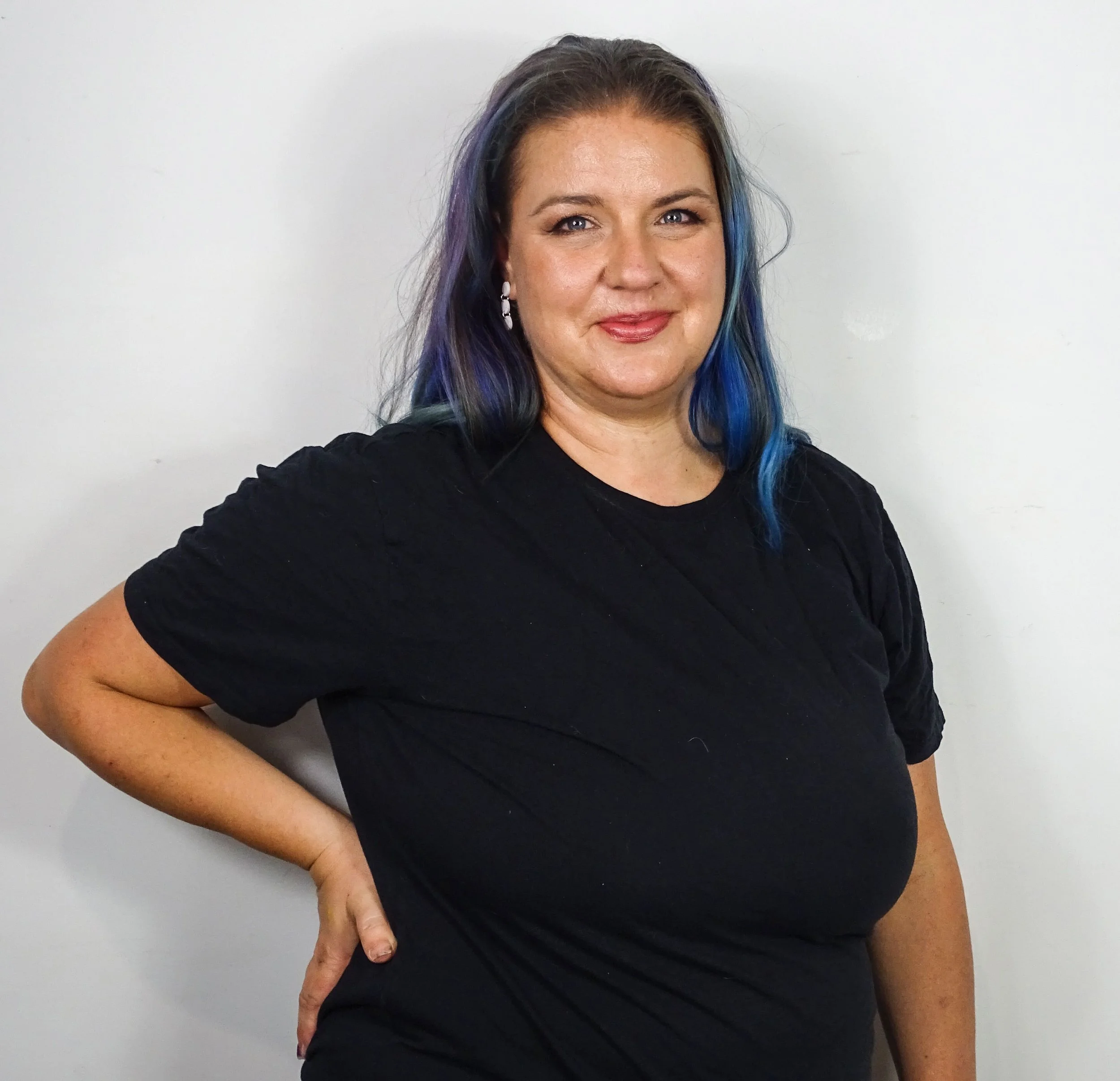
This approach is all about training with purpose: teaching dancers to listen to the body's whispers before they escalate into structural screams. At Dance Habit, our teachers truly understand dancers' bodies and see themselves as movement educators first. To support this, we work collaboratively with an expert network of health professionals, specialised physiotherapists, and dance-specific conditioning coaches (like me!) who stay completely up to date with the ever-evolving world of dance science. Whether we are breaking down optimal loading patterns or teaching evidence-based protocols for dance preparation, we ensure our students are guided by real science, not outdated studio myths.
Working Together: Our Collective Approach to Risk Reduction
But this proactive, science-based approach isn't something we do in a vacuum. To truly protect our dancers and build that foundation, we need to form a collaborative alliance—where the dancer, the parent, and the studio are all on the same page.
The Dancer’s Part: Tuning In
Dancers reduce their own risk by developing deep body literacy. Instead of viewing physical fatigue or mistakes as personal failures, they learn to use their physical sensations as clues to understand what their body needs in real-time. Part of our dance conditioning focus is teaching - and implementing - a simple traffic light mental check to facilitate this:
🟢 Green Light (Safe Fatigue Pacing): Recognizing a broad, warm muscle glow as safe, productive fatigue. Breathe, stay focused, and keep dancing!
🟠 Orange Light (Modify Range & Caution): Recognising localised tightness, dull aches, or a persistent "niggle." This is a biological signal to proceed with caution, modify the range of movement, change the training load, and alert the teacher.
🔴 Red Light (Absolute Immediate Stop): Instantly identifying a sharp, hot joint pinch, clicking pain, or sudden swelling as a critical structural warning signal. This requires an absolute, immediate stop and stepping off the floor.
The Parent’s Part: Building the Safety Net
As a parent, you can provide the essential reinforcement environment at home. Dance teachers see your children for just a few hours a week, but your influence frames how they view their bodies 24/7. You contribute by creating psychological safety - validating their low-energy states so they feel safe to modify a movement pattern on a high-stress school exam week, rather than blindly pushing through out of a fear of looking "lazy."
The Logistics: How Much Conditioning Do They Really Need?
It’s a common worry among families: does "proper dance conditioning" mean adding another gruelling, multi-hour commitment to an already packed weekly schedule?
The short answer is no—your child doesn't need to be living in the studio to reap the rewards. True injury risk reduction isn't about marathon training sessions; it's built through consistent, bite-sized daily choices and building personal initiative.
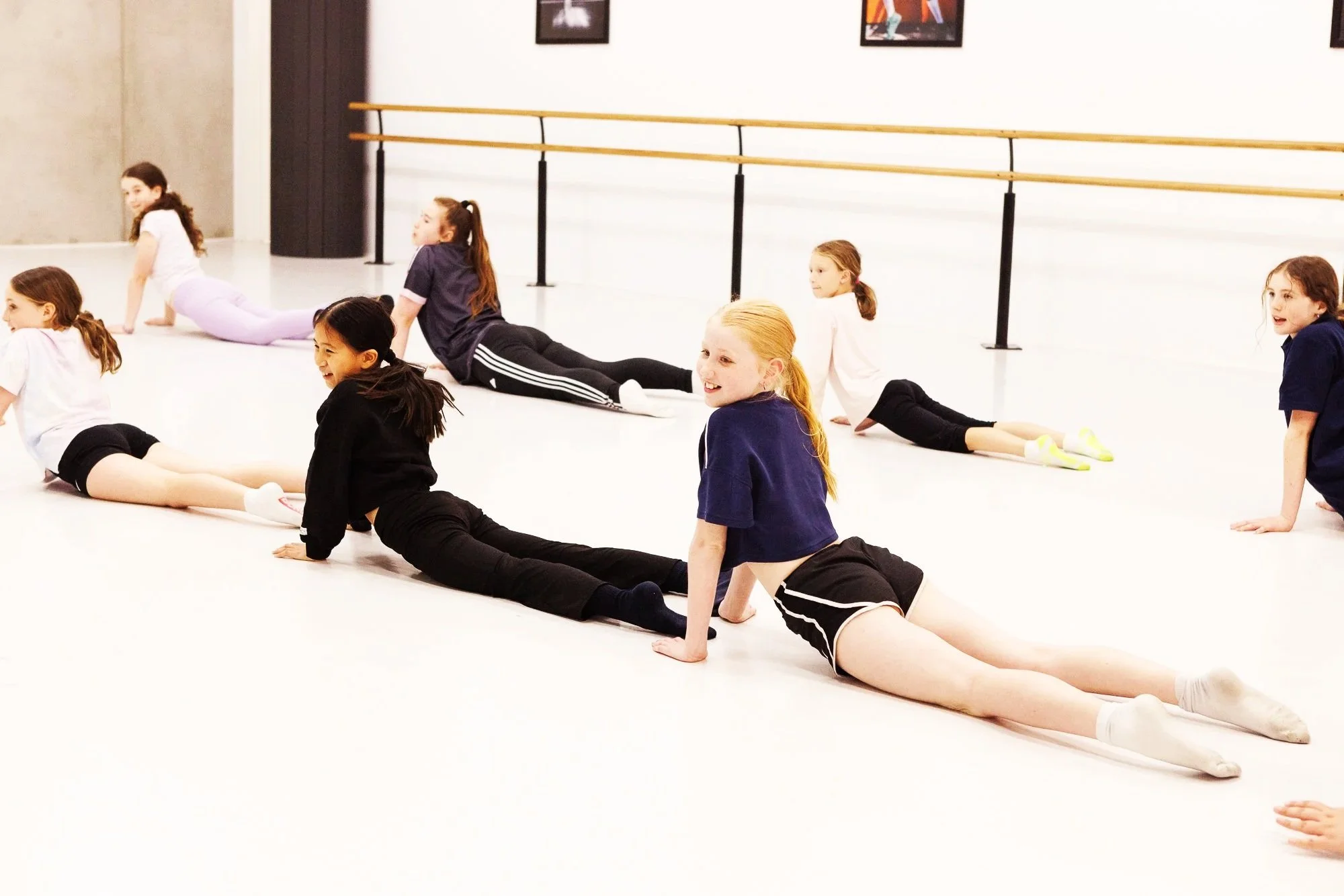
This is exactly why we teach these skills directly in our dedicated dance conditioning classes, and why they are intertwined into all classes at Dance Habit. By learning the mechanics of their own bodies in these focused sessions, they gain a "movement toolkit" they can take home. Whether it's better posture at their school desk or structural stability during other sports, the benefits extend far beyond the studio floor. They aren't just learning to dance; they’re learning to own their physical well-being for life.
To give our families the ultimate support path, we run targeted Dance Conditioning classes at Dance Habit—a dedicated space for dancers to understand how to condition their unique, growing bodies safely. Instead of relying on social media influencers who often chase clicks with extreme or unsafe "hacks" without teaching the necessary safety skills, our dancers get real-time guidance from qualified dance professionals. This expert mentorship is exactly what transforms conditioning from a chore into a lifelong athletic superpower.
Beyond the Basics: Building a Foundation for Lifetime Resilience
Ultimately, dance conditioning is not a temporary box to tick simply because a dancer is chasing a specific, isolated aesthetic milestone - like finally nailing a difficult trick, mastering pointe work, or hitting a new flexibility goal.
When engaged properly, dance conditioning offers something far more lasting: it builds true body autonomy. It instils the confidence a young dancer needs to listen to their body and speak up when it matters. It empowers them to look a teacher, a peer, or an adult in the eye and confidently say, "Something doesn't feel right, and I need to stop." That’s the real goal—turning a dancer into a capable, self-assured human who knows their own boundaries.
These aren't just technical studio adjustments; they are transferable life skills. By learning to recognise when to push and when to rest, your dancer is learning to manage stress, set personal boundaries, and advocate for their own well-being. To put this into practice, keep it beautifully simple: bridge the gap between studio and home by using the car ride home to check in with your dancer and how their body is feeling.
Celebrate the moments they apply these concepts—like when they make the mature, elite decision to modify their movement based on fatigue rather than blindly pushing through. By actively validating the decision-making skills they are learning, you help them transform their conditioning training into an everyday practice of autonomy, self-care, and smart, sustainable movement. Ultimately, this is the true sustainable framework for injury risk reduction: it is found in the consistent, dedicated implementation of dance conditioning, turning the studio's principles into a lasting habit.
Interested in joining our conditioning classes? Contact us for more information.