
How to Raise Brave Humans in a World that Rewards Results
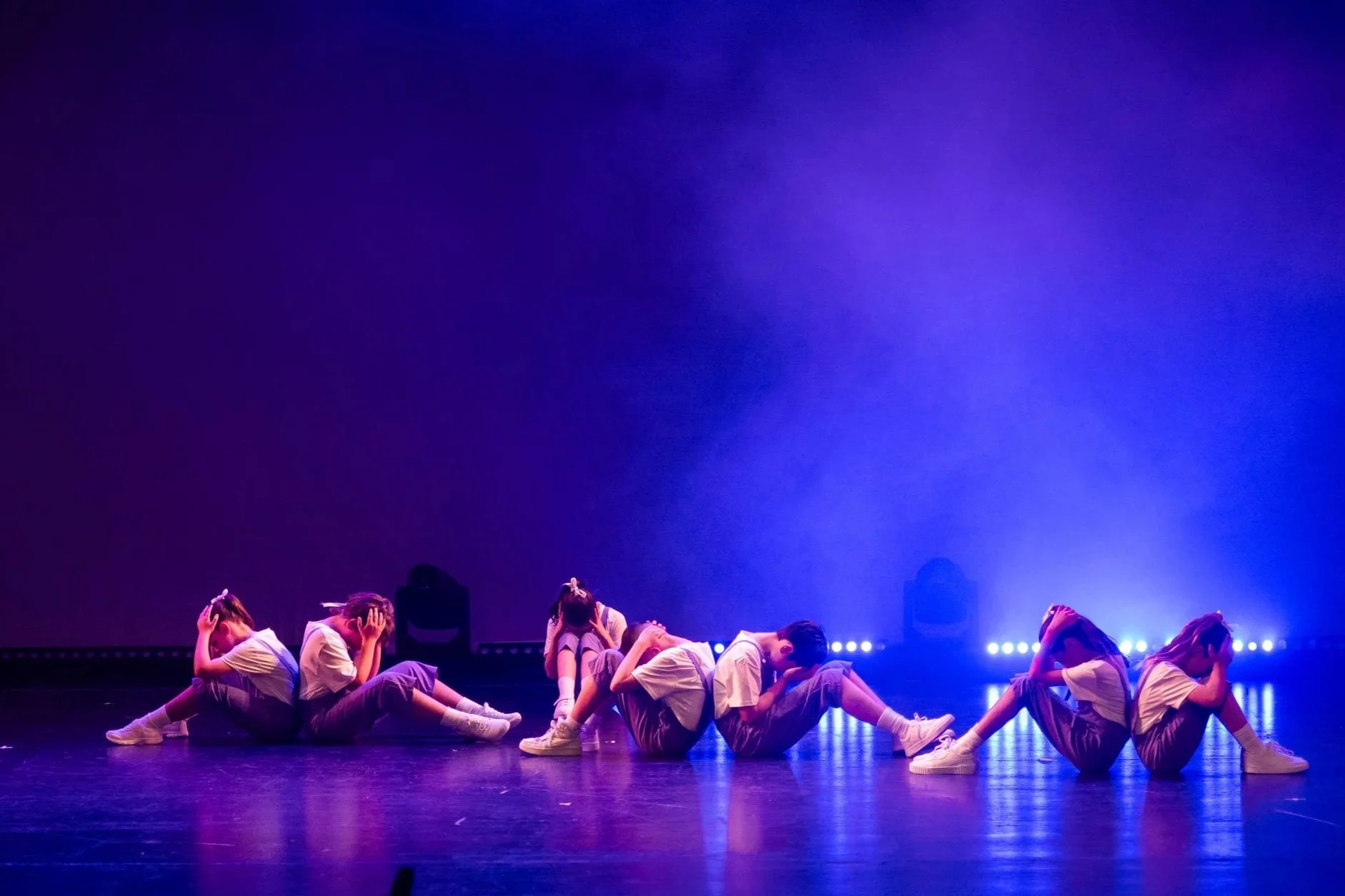
"You're a human, not a robot, and you're allowed to make mistakes." It's something I say to my students often. It sounds simple, but behind that sentence is a strong philosophy
Failure has been my greatest teacher
I've spent most of my life trying to avoid failure entirely.
I'm a perfectionist. A type-A personality. Failure doesn't sit comfortably with me, it never has. But here's what I've learned after all these years: sitting in the discomfort of failure is a skill. And like any skill, it has to be practised.
The hardest moments have been the ones that taught me the most. In my adult years and as a business owner, I've made plenty of mistakes - some that cost me financially, emotionally and mentally. But what I lost in those areas, I gained back in things that can't be bought: grit, resilience, a deeper understanding of who I am, and authentic connections with others through my own vulnerability.
Bravery is a choice made without guarantees
So many people carry big dreams - dreams that feel just out of reach. Some people go after them. Others spend a lifetime in the "not yet." What separates those two people?
Bravery. A willingness to try, even without any control over the outcome. Even knowing you might be judged or criticised. Even knowing you might fail.
As humans, we are wired to avoid pain. It makes no sense to walk towards discomfort, but the more we face our fears for the things that matter to us, the braver we become. Resilience works the same way. The more we experience and move through failure, the less power it holds over us.
What this means for our kids
We need to offer children opportunities to get things wrong - because failure, genuinely experienced and safely held, is one of the greatest gifts we can give them.
When children come into our studio, we create a space to experiment, to explore, to fall down, and to feel what it means to fail. To build real comprehension - not just about what to do differently next time, but about how to be resilient. And more importantly, how to separate their self-worth from the outcome they were chasing.
This doesn't mean leaving kids to struggle alone. It means co-regulating alongside them as trusted adults - a safety net that catches them when they fall, validates their feelings without dismissing them, and celebrates their effort regardless of outcome. Every single time.
Why we teach the way we do
We understand deeply that every moment of contact shapes the children in our care, and that carries great responsibility.
Dance Habit is not an elite space - and that's a deliberate choice.
Elite training spaces exist, they're important, and we need the people who choose those pathways. In every modality - be it arts, sport, academics, or anything else - there will always be people who move into professional spaces.
But it's very difficult to train a young person at an elite level without some sacrifice of the human along the way. Being able to keep the human first and the dancer second is why we've chosen the recreational pathway.
Our goal here is for dance to add value to our students' lives - to enhance and shape the people they are becoming. And even without elite or professional outcomes, we still find opportunities to practice managing failure gently.
We're building free adults, not perfect performers
If we can build children who have experienced failure, been held through it by safe adults, and emerged on the other side with their sense of self intact - we build adults who are less afraid to try. Adults who have a strong sense of identity not because of what they've achieved, but simply because they know they are innately worthy.
Celebrate a child's effort and they'll try again. Separate their worth from their outcome and they'll dream bigger. Give them the tools to sit with discomfort and they'll spend their lives walking towards things that matter to them.
If we protect children from failure (or even inadvertently tie their self-worth to their performance) we won't raise free, courageous, and curious humans.
We will instead build the very robots we told them they weren't.
"Shoot for the moon. Even if you miss, you'll land among the stars."
If you’re interested in starting your dance journey with us, we invite you to get in touch!
