
Beyond the Shine: The Real Work of Dance
There is something magical about starting something new. Everything is fresh. The excitement is real. The possibilities feel endless.
But what happens when the shine wears off? When dance - a hobby once filled with excitement - starts to feel repetitive, slow, or even frustrating? Is it a sign we need something different? Or is it an invitation to build grit?
For dancers, this can be one of the hardest questions to navigate.
When Repetition Feels Like Resistance
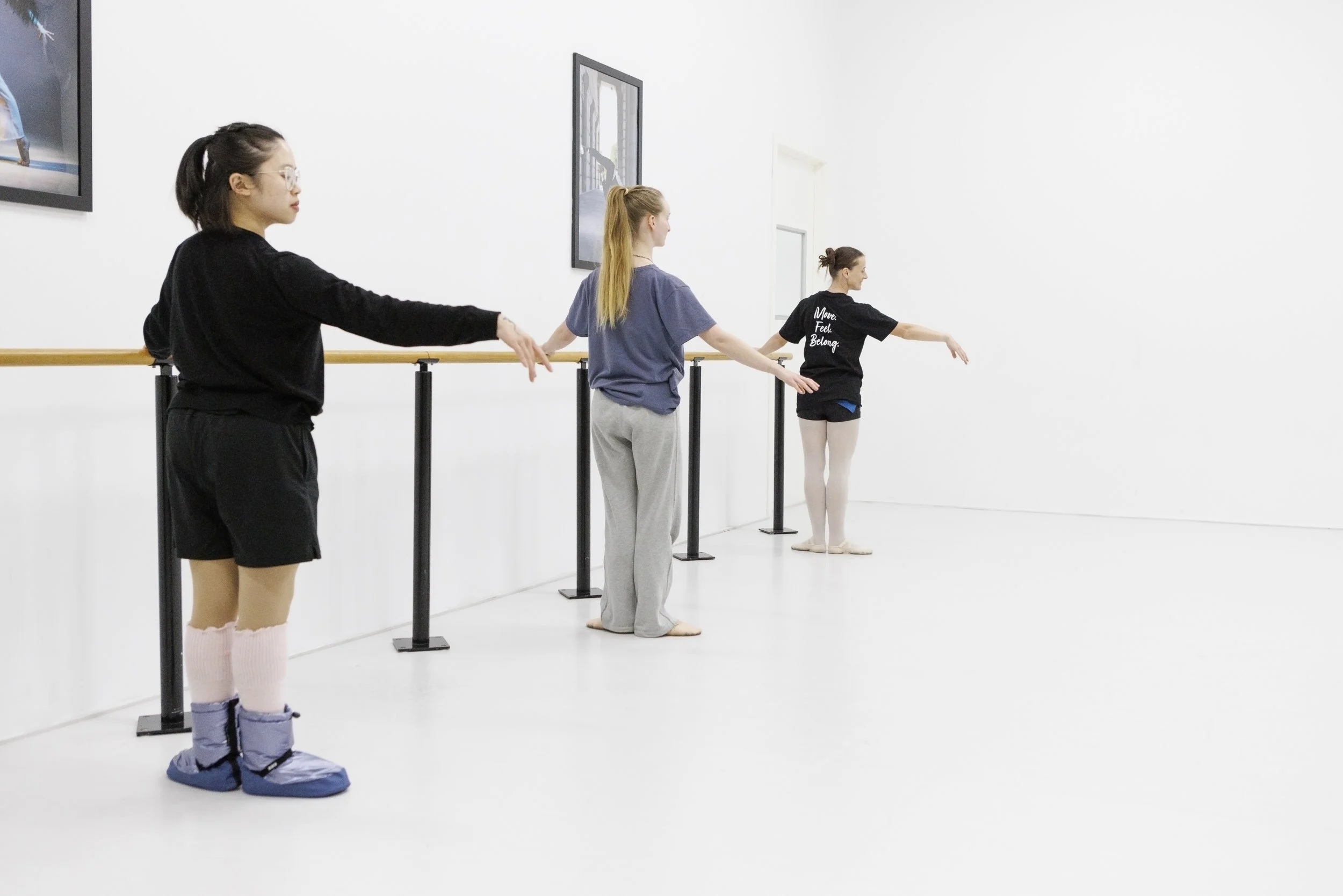
Ballet, in particular, is built on repetition. Even the most seasoned professional dancers begin class with a simple demi plié at the barre. The foundations never disappear. But they do deepen. The most mature dancers understand that something can be gained from every repetition, even when it feels ordinary.
Progress doesn’t always look like harder steps. It doesn’t always mean a new trick. Often, it isn’t even physical. Sometimes progress is pushing through mental or emotional discomfort. Sometimes it is recognising the value of going backwards to go forwards.
But when repetition starts to feel frustrating rather than purposeful, it can raise an important question: Is this part of the process - or a sign something needs to change?
Our Approach: Slow, Safe Progression
At our studio, we teach slow, consistent progression. This supports safe dance practice. It protects bodies, builds strong technique, and lays foundations that last. It is a proven approach - and one we stand by.
Does it mean classes are always exciting? No.
Does it mean constant new tricks or following every trend? Also no.
Will we change our approach simply to keep dancers seeking something more? Definitely not.
Because meaningful progress in dance requires patience - and that process is not always shiny.
The Pressure for Quick Results
We live in a world of instant gratification. Quick results are expected everywhere. Dance is no exception. Many spaces promise fast outcomes - elite training from the start, technical breakthroughs, rapid advancement - sometimes at the expense of bodies that are not ready.
The truth is far less glamorous. To truly develop in dance requires time, repetition, and sustained effort. It can feel slow. It can feel challenging. But this process builds strength, resilience, and lasting technique. Which is why moments of discomfort can be a sign of growth. But, not always.
Genuine misalignment happens
Persistence is valuable, but it is not the answer to everything.
A dancer may want competitive training. They may wish to pursue professional pathways. Their priorities, interests, or circumstances may shift. Or they may simply feel that dance is no longer where they want to invest their time, and these are all valid reasons to move on.
To give something up from a place of clarity – because you know there is something better aligned for you – is very different to pulling the plug on something in response to impatience or boredom.
One reflects self-awareness. The other avoids discomfort.
Helping Dancers Navigate the Crossroads
When dancers feel stuck, bored, or drawn toward something new, our role is to help them explore what is really happening. Are they facing a challenge that is testing their commitment? Or are they experiencing a genuine change in direction?
We talk openly. We listen with curiosity. We support thoughtful, informed decision-making.
We know that dancers may not remember everything we say, but they will remember how they felt during these moments. And we want their relationship with dance to remain positive, whatever path they choose.
Beyond the Shine
Dance is not about keeping up with what’s trending. To focus on this is to discount its real value.
When things feel hard, repetition feels dull, progress feels invisible, and motivation wavers, we can discover that persistence builds grit. But equally, we can get curious to find clarity and use the crossroads as a beautiful learning opportunity to determine if and when something is no longer right for you.
Sometimes growth means staying the course. Sometimes growth means choosing a different direction.
The challenge - and the opportunity - is learning how to recognise the difference.
If you’re interested in starting your dance journey with us, we invite you to get in touch!
